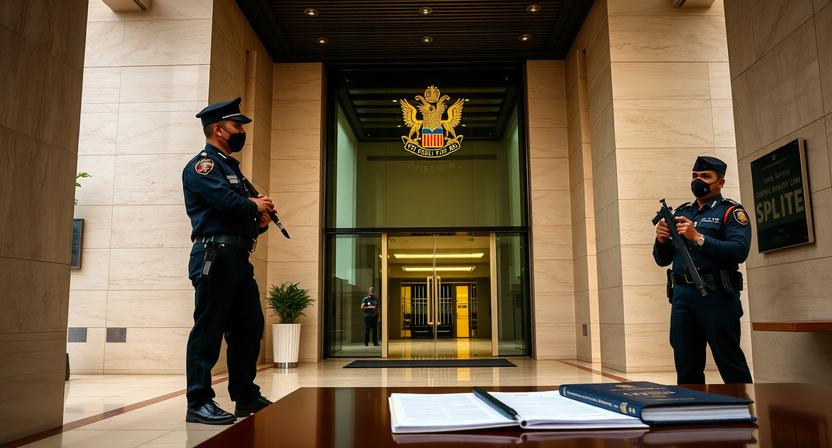
Within the solemn hush of our courtrooms — beneath the sombre weight of robes and
the quiet authority of precedent — resides a truth as old as civilisation itself: the law
exists to serve the people; never should the people be made to serve the law.
Constitutions may proclaim rights with eloquence, yet a right stripped of an effective
remedy is but a gilded promise, dazzling in theory and hollow in practice. The genius
of our founding fathers lay not merely in enumerating liberties, but in weaving into
the constitutional fabric instruments such as Articles 32 and 226 — living assurances
that when injustice knocks, the doors of justice shall not remain barred.
A litigant does not traverse th